Alternative content

Where We're Working

Featured Partner

Learn more about EGPAF's featured partners.

Recognition

Watch BBB Accredited Charity Elizabeth Glaser is rated a 4 Star Charity Navigator

Kenya

EGPAF began working in Kenya in 2000 as a small, privately-funded prevention of mother-to-child HIV transmission (PMTCT) initiative and has since grown into to a much larger HIV prevention, care, and treatment program.

EGPAF is now a key partner of Kenya’s Ministry of Public Health and Sanitation (MOPHS) and the Ministry of Medical Services (MOMS), and has become one of the nation’s largest HIV/AIDS program partners, supporting 796 PMTCT sites and 324 care and treatment sites as of September 30, 2012.

Read the official EGPAF fact sheet for Kenya here.


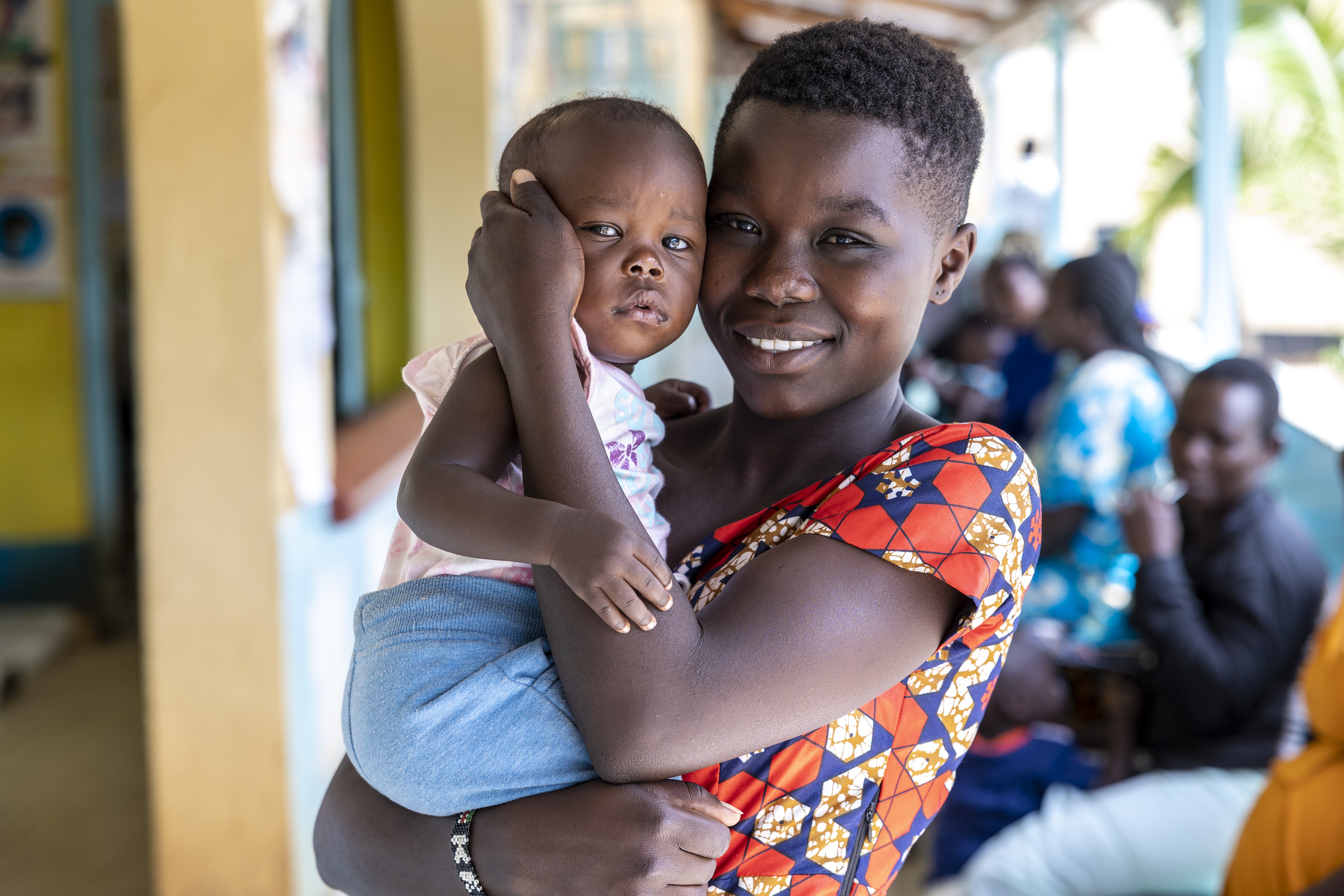
(Photo: EGPAF/Georgina Goodwin, 2008)

Research Click to view

EGPAF is a leader in HIV operations research in Kenya, and actively supports research projects to increase the reach and effectiveness of PMTCT and HIV care and treatment programs in the country. Recent accomplishments include:
 
  • Was awarded funding from the World Health Organization (WHO) for a study examining a mobile phone-based intervention for HIV-positive pregnant women and their male partners, which is aimed at increasing PMTCT completion rates
  • Built partnerships with several research institutions and universities in Kenya and the U.S., including the University of Nairobi and George Washington University
  • Now finalizing results of a study comparing maternal and child health (MCH) clinics and comprehensive care clinics with regard to provision of services and care for HIV-exposed infants
  • Now planning expansion of its operations research projects, aiming to conduct three major development and implementation research projects in the areas of PMTCT and HIV/AIDS care and treatment by 2013

Program Implementation Click to view

EGPAF collaborates with multiple partners to support implementation of PMTCT and HIV prevention, care, and treatment services in Kenya.
 
  • EGPAF provides technical and organizational capacity-building assistance to indigenous HIV prevention, care, and treatment service organizations.
  • In alignment with the Government of Kenya’s strategy to decentralize health services, EGPAF’s CDC-funded Pamoja project is operating in 11 districts in Nyanza Province.
  • As a consortium member of the USAID-funded AIDS, Population, and Health Integrated Assistance Plus (APHIAplus) project, EGPAF is supporting expanded access to integrated HIV/AIDS services in Western and Nyanza Provinces.
  • EGPAF is partnering with UNICEF and the Government of Kenya in Siaya, Kisumu East, and Rongo Districts in Nyanza Province by providing technical assistance for PMTCT service delivery and improving monitoring and evaluation of PMTCT services in Nyanza and Rift Valley Provinces.
  • EGPAF is expanding access to integrated TB and HIV/AIDS services for members of the non-military uniformed services and their families through the AIDS Response in Forces in Uniform (ARIFU) project.
  • EGPAF engages the community to reduce stigma, provide psychosocial support to people living with HIV (PLHIV) and their family members, and strengthen linkages between facilities and community support groups.
  • EGPAF provides therapeutic counseling that reduces the stress of health workers providing PMTCT and HIV care and treatment services, supporting them to make better connections with their patients.

Advocacy Click to view

Working with Kenya’s MOPHS and MOMS, EGPAF strives to increase women’s access to and participation in high-quality PMTCT and HIV care and treatment services through the following advocacy activities:
 
  • Participation in national HIV/AIDS technical advisory committees for PMTCT, adult treatment, pediatric treatment, PwP, and monitoring and evaluation
  • Promoting partnerships with the Government of Kenya, donors, and other implementing partners focused on pediatric HIV/AIDS issues at the local and national levels
  • Raising awareness of PMTCT and HIV care and treatment programs among policy makers, opinion leaders, community members, and the general public through outreach and participation in various strategic activities and events, media coverage, and programmatic interventions

Projects In Progress Click to view


Technical Assistance and Capacity Building to Support Local and Indigenous Organizations Providing HIV Prevention, Care and Treatment (Tunaweza Project)

(CDC/PEPFAR: 2009–2014)
Funded by the U.S. Centers for Disease Control and Prevention (CDC) and the U.S. President’s Emergency Plan for AIDS Relief (PEPFAR), the Tunaweza Project supports HIV/AIDS prevention, care, and treatment activities of local organizations by providing organizational and systems strengthening through training and mentorship, expansion of technical capacity for evidenced-based HIV/AIDS programming, and performance-based contracting to deliver multiple prevention, care, and treatment services to target populations. Specifically, EGPAF is implementing activities aimed at strengthening the management, technical, and leadership capacity of 32 local organizations to accelerate service delivery coverage at the community level, and to improve quality and comprehensiveness of the package prevention, care, and treatment services offered.

Additionally, the project provides capacity building assistance to the Government of Kenya and HIV Prevention partners at the national level on the design and implementation roll-out of Prevention with Positives (PwP) activities and evidence-informed bio-behavioral interventions for the prevention of HIV. Tunaweza’s programmatic areas of focus include:

  • Abstinence and being faithful
  • Prevention of mother-to-child transmission of HIV (PMTCT)
  • Counseling and testing
  • Palliative care
  • Antiretroviral therapy and HIV care for adults and pediatrics, orphans, and vulnerable children
  • Tuberculosis and HIV
  • Prevention with Positives
  • Policy and health systems strengthening
Supporting the Implementation and Expansion of High Quality HIV Prevention, Care and Treatment (Pamoja Project)
(CDC/PEPFAR: 2010–2015)
The overall goal of the CDC-funded Pamoja Project is to increase use of high-quality, comprehensive HIV services in several counties in Nyanza Province, a region with the highest HIV burden in Kenya. The Pamoja Project’s strategic objectives are to:

  • Increase availability of high quality, comprehensive HIV services
  • Increase community capacity to support use of high-quality, comprehensive HIV services
  • Increase capacity of district-level organizations to direct, manage, and implement high quality, comprehensive HIV services
To achieve these objectives, the project addresses seven critical areas of technical intervention: prevention of mother-to-child transmission (PMTCT), provider-initiated testing and counseling (PITC), adult and pediatric HIV basic care and support, adult and pediatric treatment, and TB/HIV, with Prevention with Positives (PwP) as a cross-cutting element.

APHIAplus: Western and Nyanza Province
(USAID/PATH: 2011–2015)
APHIAplus Western is a five-year, USAID/PEPFAR-funded project implemented by a consortium led by PATH and including the Elizabeth Glaser Pediatric AIDS Foundation (EGPAF), Jhpiego,  World Vision, and BroadReach Healthcare. The project is designed to work within existing health management structures and build capacity at the county, sub-country, facility, and community levels to achieve fully integrated service delivery in counties located in Nyanza and Western Province. EGPAF‘s principal contribution to the project is in the provision of technical expertise in preventive care and treatment services for children and families, particularly prevention of mother-to-child transmission of HIV (PMTCT), pediatric HIV/AIDS, and antiretroviral therapy (ART) service delivery.

Mobile Phone Technology for Prevention of Mother-to-Child Transmission of HIV
(WHO: 2011–2014)
Effective implementation of prevention of mother-to-child transmission of HIV (PMTCT) strategies has resulted in the virtual elimination of pediatric HIV in resource-rich settings. Weak health systems and inadequate health infrastructures impede universal provision of PMTCT services in sub-Saharan Africa. Transportation challenges and costs further influence individuals’ decisions to access static health facilities, and are often cited causes for suboptimal retention in HIV treatment programs. Mobile outreach clinical services bring medical services into the community, and are currently being implemented to improve uptake of basic (standard) maternal child health services.

This study intends to compare the impact of provision of standard mobile outreach clinical services to the provision of enhanced mobile outreach clinical services that includes point-of-care CD4 testing and use of short message system (SMS) mobile phone technology to improve turnaround times in infant HIV DNA PCR test results. The enhanced mobile outreach clinical service also will introduce the use of existing community health workers to create demand for outreach services; mobilize pregnant women to access antenatal clinic (ANC) services; and support referrals and linkages between mobile units and static facilities. Proposed measurements include the effect of the intervention on decreasing the gestational age at the first ANC visit; retention of mothers and infants in care; and uptake of critical health care services including immunizations, laboratory testing, and antiretroviral (ARV) prophylaxis and treatment (ART). The study will determine whether the enhanced mobile outreach services result in increased administration of appropriate antiretrovirals to HIV-positive women, and whether more HIV-positive infants gain access to life-saving treatment. Costs associated with the standard and enhanced mobile outreach clinical services will be determined, and along with the measured differential effect on selected outcomes, will be useful in guiding policy regarding the optimal scope of mobile outreach clinical service delivery.

Provision of Technical Assistance, Financial Support, and Capacity Building for HIV Prevention, Care and Treatment for members of the Non-Military Uniformed Services of Kenya under PEPFAR
(CDC/PATH: 2009–2014)
With funding from the U.S. Centers for Disease Control and Prevention (CDC) and the U.S. President’s Emergency Plan for AIDS Relief (PEPFAR), EGPAF partners with PATH to expand access to HIV/AIDS services for members of the non-military uniformed services (the Kenya Wildlife Services, the National Youth Service, the Administration Police, and the Kenya Police) and their families through the AIDS Response in Forces in Uniform (ARIFU) project. By providing technical assistance, capacity building, and financial and logistical support to non-military uniformed services staff, EGPAF is a key partner in supporting improved and expanded HIV prevention, care, and treatment services within the non-military uniformed services health facilities.

Nakinae Akiyar Project
(ViiV Healthcare: 2011–2014)
With funding from ViiV Healthcare’s The Positive Action for Children Fund, the Nakinae Akiyar project proposes to reduce loss to follow-up in prevention of mother-to-child transmission of HIV (PMTCT) for a mother/infant pair, and to increase uptake of early infant diagnosis (EID) by implementing appropriately designed, community-driven interventions that effectively engage people living with HIV/AIDS and existing community health structures, and generate evidence to address the specific challenges of Turkana Central, a traditionally underserved area populated by nomadic communities in northwestern Kenya. Key elements of this program include promoting health-seeking behaviors, continuous engagement with communities and other local stakeholders, and working within existing health structures.

Maisha Program Phase II
(UNICEF: 2011–2013)
The Government of Kenya, UNICEF, EGPAF, and other organizations have partnered to implement the Maisha MTCT-free Zone Initiative as part of Kenya’s National AIDS Strategic Plan III 2008 – 2013 to scale up prevention of mother-to-child transmission of HIV (PMTCT) services to 90% of all public sector facilities, reach 1,398,000 women with PMTCT services, and ensure that at least 80% of pregnant women testing positive for HIV receive antiretroviral medication to prevent MTCT and/or for their own health. EGPAF plays a key role as a technical assistance provider to facilities in the Nyanza region.

Positive Action Children Fund: Technical Assistance to Community-Based Organizations
(ViiV Healthcare: 2011–2014)
This project, funded by ViiV Healthcare, is designed to improve community involvement in the delivery of sustainable community-level HIV prevention services. It focuses on building the technical and organizational capacities of several local organizations across the country. EGPAF is specifically focused on building capacity in the areas of:

  • Sustainability
  • Strategic planning
  • Project management
  • Effective communications
  • Monitoring and evaluation
  • Prevention of mother-to-child transmission of HIV (PMTCT)
  • Establishment of referral networks
A Secondary Analysis of Retention across the PMTCT Cascade in Selected Countries Implementing the Various Guidelines. Kenya: Option A; Swaziland: Option A; Rwanda: Option B; Malawi: Option B+
(USAID/Population Council: 2011–2014)
This PEPFAR-funded HIVCORE study is a retrospective cohort analysis of mother-infant pair retention in prevention of mother-to-child transmission of HIV (PMTCT) services from antenatal clinic through 18 months postpartum in four selected EGPAF-supported country programs that are implementing Option A, Option B, or Option B+ for PMTCT. The study is being conducted in selected urban, semi-urban, and rural facilities in Malawi, Rwanda, Kenya, and Swaziland. The primary objectives of the study are to determine:

  • What are the levels of retention 30 days after entry into the PMTCT program, at delivery, six weeks, two months (60 days), three months (90 days), six months, and 12 months post-delivery among women and infants on Option A and on Option B/B+?
  • How do the levels of retention vary by facility characteristics such as type of facility, higher versus lower volume PMTCT facility, rural/urban facility, and presence and type of follow-up (active/passive) among women and infants on Option A and on Option B/B+?
  • How do the levels of retention vary by demographic and clinical characteristics among women and infants on Option A and on Option B/B+?
  • What are the most modifiable characteristics associated with retention in Option A and in Option B/B+ sites?

Completed Projects Click to view


Monitoring and Evaluation Support for Phase I of the MTCT Free Zones in Rift Valley and Nyanza Provinces

(UNICEF: 2011–2012)
This UNICEF-funded project was designed to strengthen the capacity for monitoring and evaluation nationally with emphasis on the Rift Valley and Nyanza Provinces by addressing issues of data quality and its use in programming to improve quality of prevention of mother-to-child transmission of HIV (PMTCT) and pediatric care and treatment programs.

APHIA II Western and Eastern Provinces
(USAID/PEPFAR: 2006–2010)
As a sub-grantee to Jhpiego in the Eastern Province of Kenya, and a sub-grantee to PATH in Western Province, these USAID/PEPFAR-funded projects built the capacity of the health system to implement the Government of Kenya’s national health policies and the outcomes of HIV and HIV-related health programs in Kenya. EGPAF was responsible for the HIV/AIDS prevention, treatment, and service delivery aspects of the project.

In Eastern Province, by the end of the project:

  • 53 HIV care and treatment sites in the central and northern parts of Eastern Province were set up.
  • Through these sites, a total of 26,562 clients enrolled in HIV care, including 3,076 children. Of these 11,797 were stated on antiretroviral therapy (ART) with 9,277 being reported as active as of September 2010.
  • For PMTCT, the project helped establish 432 sites in the province which offered integrated HIV care at the maternal and child health clinics.
  • 218,381 women were counseled and tested for HIV.
  • 8,518 HIV-positive women were identified and offered prophylaxis.
  • Follow-up and testing of the HIV-exposed infants at six weeks was done successfully with a mother-to-child transmission rate of 6.5%.
In Western Province, by the end of the project:

  • Approximately 48,000 people were enrolled into HIV care, about 19,000 of whom received ART, including 2,100 children.
  • More than 15,000 HIV-positive pregnant women received ART prophylaxis.
  • Over 450,000 HIV-positive pregnant mothers received counseling and testing services.
Provision of Services and Care for HIV-Exposed Infants: a Comparison of the Maternal and Child Health Clinic and the Comprehensive Care Clinic Models
(Bill and Melinda Gates Foundation: 2007–2011)
The objective of this Bill and Melinda Gates Foundation-funded research was to compare the effectiveness of the maternal and child health (MCH) and comprehensive care clinic (CCC) models of care in providing services to HIV-exposed infants. The results of this study helped shape the current care model used by the Ministry of Health. Study results were published in the September 2012 issue of the Journal of Acquired Immune Deficiency Syndrome (JAIDS).

Call to Action
(USAID/PEPFAR: 2002–2010)
With funding from the United States Agency for International Development (USAID),  the U.S. Centers for Disease Control and Prevention (CDC), and the U.S. President’s Emergency Plan for AIDS Relief (PEPFAR), EGPAF implemented the eight‐year Call to Action (CTA) project in 12 countries, including Kenya (from 2004 through 2007). This service-based program was aimed at scaling up prevention of mother-to-child transmission of HIV (PMTCT) services, and preventing pediatric HIV infection through research, advocacy, and prevention and treatment programs. Kenya-specific highlights include:

  • Building Sustainability: In Kenya, the program developed a tool to track supplies and reorders to maintain buffer stock, also strengthening district stores, capacity to forecast and order kits and supplies to distribute them to the facilities.
  • District Approach: Offering PMTCT services that engage district health management leadership in the planning, implementing, and evaluating of PMTCT services through providing capacity building support and technical assistance. The benefits of a district approach include the decentralization of services to the rural areas to increase access to PMTCT services.
  • Improved Service Delivery: The need for additional physical space in which to confidentially counsel pregnant women has strained existing antenatal care services. In Kenya, EGPAF-supported sites have introduced partitions (within existing facilities) and trucking containers to create additional counseling rooms.
ZINGATIA MAISHA
(AMREF: 2005–2009)
As a sub-grantee to AMREF on this GlaxoSmith Kline-funded project, EGPAF sought to improve the quality of life of people living with HIV/AIDS in Kenya through treatment adherence, support, and promotion of continuum of care by:

  • Developing the capacity of antiretroviral therapy (ART) providers to enhance treatment access and adherence
  • Building capacity of community PLWHA groups to enhance treatment access, adherence, and psychosocial support
  • Creating a functional referral system linking health facilities and communities
Through the project, community-based support groups partnered with health facilities to develop referral tools, deliver HIV treatment literacy, and provide adherence counseling and support. 38 health facilities in several counties across Kenya were supported to establish the project’s unique Health Facility/Community Linkage Committees (HCLCs). The HCLCs provided a forum for clinicians and other health workers to interact with their clients to improve on the quality of care.

The project also ensured that all sites attained an appropriate level of infrastructure and technical capacity, funding minor but significant improvements to buildings and equipment and training in areas such as ART adherence support, stigma reduction, stress management, and trauma awareness. Community support groups were developed in the fields of adherence and psychosocial support, treatment literacy, referrals, and defaulter tracing.

Publications Click to view

Kenya Program Highlights*


(Photo: Mia Collis, 2008)

  • Provided PMTCT services to more than 1.2 million pregnant women.
  • Provided HIV counseling and education to more than 1.2 million pregnant women.
  • Provided more than 49,000 pregnant women living with HIV with medicines to help prevent HIV transmission.
  • Enrolled more than 256,000 patients into HIV care and support programs.
  • Started more than 156,000 individuals on antiretroviral therapy (ART) for HIV/AIDS, including more than 20,000 children under the age of 15.
EGPAF also has established counseling and psychosocial support groups for people living with HIV/AIDS at the facility and community level.

* All data cumulative from program start in 2006/7 through September 30, 2012 with the exception of Care and Treatment data (current as of June 30, 2012)..


Pediatric AIDS is 100% preventable.
We're creating an HIV-free generation. JOIN THE FIGHT.


No thanks!